
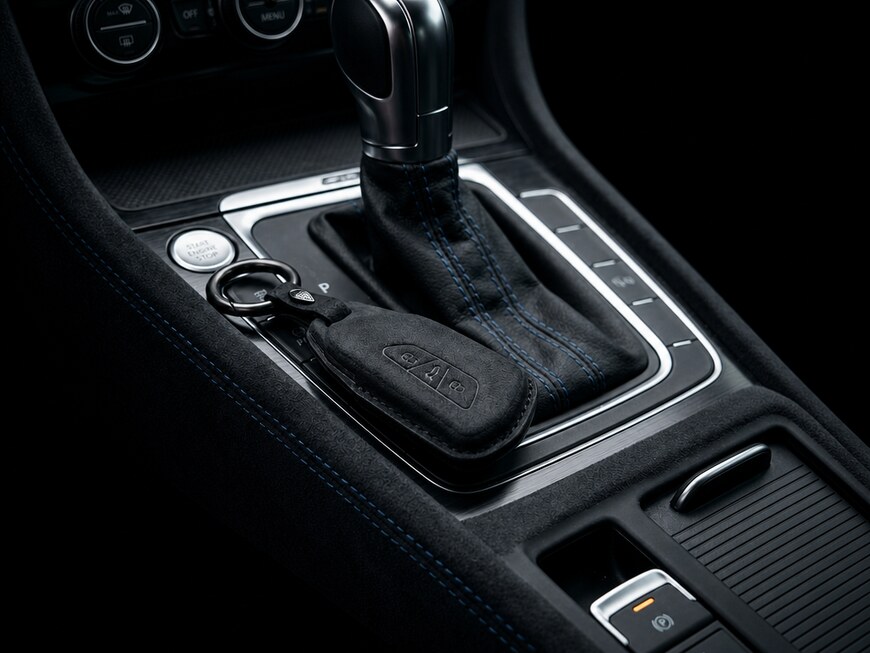

We spend a ridiculous amount of time keeping our cars looking pristine. We obsess over ceramic coatings, argue about paint protection films, and spend our Sunday mornings detailing the cabin until it looks immaculate. If you drive something performance oriented from the Volkswagen Group like a Golf R, a GTI, or a Cupra Leon – you probably even opted for upgraded seats with distinctive microfibre bolsters just to give the interior a bit of track day attitude.
But the moment we park up, that care stops. We toss our key fobs onto the kitchen counter next to loose change, or shove them into a pocket alongside a heavy set of house keys.
This is a strange habit for anyone who takes pride in their car. We worry about micro scratches on our front splitters, yet we regularly abuse the one physical object that connects us to our cars every single day. Modern keys have evolved far beyond the simple stamped metal blades of the past. They are highly complex, expensive handheld computers.
The Rapid Evolution of Pocket Sized Tech
Car keys have come a long way since the days of the simple ignition tumbler. The shift toward modern wireless security started in the late nineties with the early passive transponder systems. Suddenly, you didn’t even need to press a button to unlock your doors; the car simply chatted with the fob in your pocket over radio frequencies.
Today, your fob is packed with sophisticated encryption chips, motion sensors to prevent relay theft, and proximity transponders. If you drive a modern hatchback, your key also stores user profile data, automatically adjusting the driver’s seat, climate control, and digital cockpit layouts the second you pull the door handle.
Replacing a modern smart key and getting it programmed at a dealership can be surprisingly expensive. Yet, most of us carry them around completely unprotected, allowing the glossy plastic casings to become scuffed, scratched, and worn. The constant friction inside a pocket or bag creates a dull haze of micro scratches known among enthusiasts as pocket rash that ruins the look of an otherwise premium piece of design.
Tying the Interior Aesthetic Together
For those who take pride in their cars, the solution isn’t a cheap, generic silicone sleeve ordered from an online marketplace. If you have spent your hard earned money on a vehicle with a beautifully designed cabin, pulling a chunky rubber sleeve out of your pocket completely breaks the premium spell. It just looks out of place.
This is why many owners are choosing to match their daily carry items with the actual upholstery fabrics of their vehicles. For hot hatch purists, it is all about maintaining that visual link. If your weekend drive involves sitting in seats trimmed with durable synthetic microfibre, it is satisfying to have that same velvety, high grip texture in the palm of your hand when you are away from the steering wheel.
Owners who prefer carrying the same materials beyond the cabin can even find tailored Volkswagen key covers finished in Alcantara, designed specifically for modern VAG fobs. These specialized accessories do not just replicate the tactile appeal of the cabin; they offer practical protection. Because synthetic microfibre is naturally hydrophobic and highly resistant to abrasion, it acts as an elegant protective shield against pocket scratches while giving the fob a tactile feel that plastic simply cannot replicate.
Simple Maintenance for Fibrous Materials
There is also a distinct functional advantage to using synthetic suede over natural leather for a pocket accessory. While natural hide is a classic choice, it is highly sensitive to moisture and grease. Over time, constant handling can cause leather to dry out, stretch, or become greasy and discoloured. Synthetic microfibre, composed of polyester and polyurethane, does not suffer from these issues. It remains structurally stable, maintains its shape, and handles the daily friction of being pulled in and out of tight pockets without peeling or wearing thin.
Fortunately, maintaining synthetic suede is remarkably straightforward. Unlike natural animal hides, which require regular conditioning oils to prevent drying and cracking, synthetics just need a light, periodic refresh. Because our hands carry natural skin oils, any microfibre accessory will eventually absorb these lipids over months of daily handling. If left unmanaged, the fibers can compress, resulting in a shiny, matted look.
Giving your custom key case a gentle wipe with a damp microfiber cloth once a month is usually enough to lift any transferred hand oils and raise the pile back to its original velvety state. Just avoid using harsh household detergents or saturating the material, as excess water can weaken the adhesive backing.
Cupra owners often extend the cabin’s distinctive copper accents to smaller accessories, including tailored key covers that echo the same design language. It ensures that the key matches the unique design language of the brand, transforming a piece of black plastic into something that feels custom made. For enthusiasts who enjoy keeping every detail consistent, protecting the key is simply another extension of looking after the car. By keeping the fob in pristine condition, you also protect the resale value of the car, as a worn out, battered key is often the first sign of a neglected vehicle to a prospective buyer.