
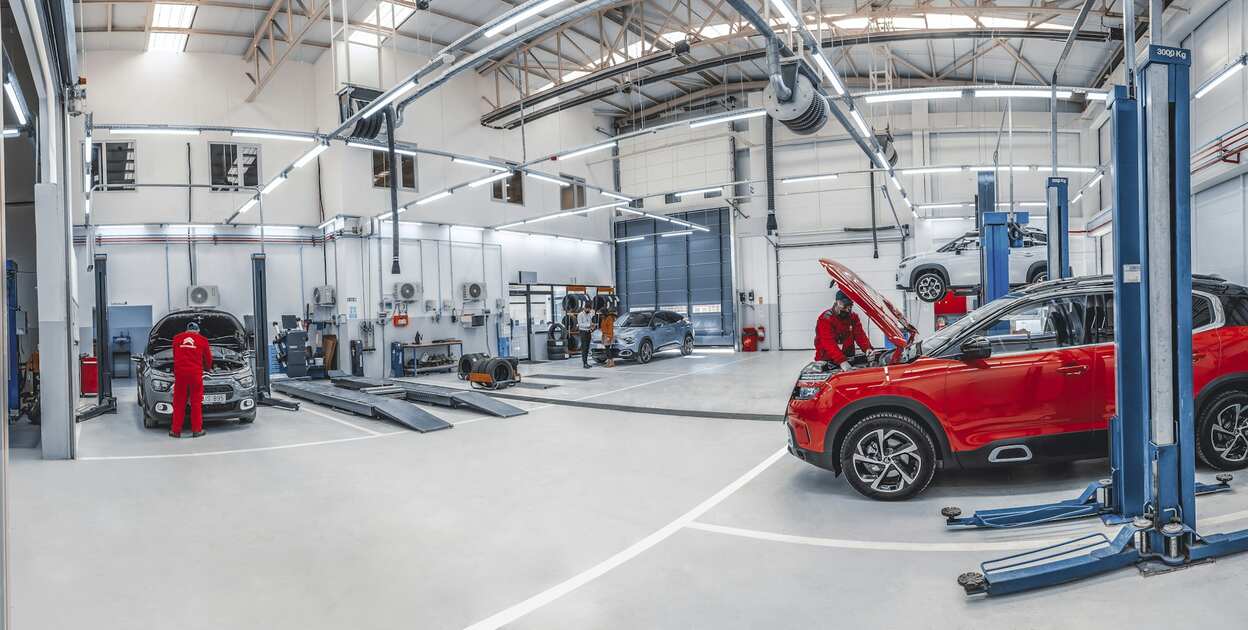

Growth is usually a positive sign for an auto repair shop. More bookings, a larger customer base and increasingly valuable jobs can all indicate that the business is moving in the right direction. However, growth also creates financial pressure. A busy workshop may need to spend heavily on parts, equipment and payroll before it receives the corresponding customer payments.
That timing difference can leave an otherwise profitable repair business short of usable cash. Owners who understand the main pressure points can plan for them before they begin affecting service quality, employee morale or the shop’s ability to accept new work.
Here are seven financial pressures that growing auto repair businesses should monitor.
1. Parts and Inventory Costs
Repair shops often have to purchase parts before they collect full payment from the customer. A routine job may require only inexpensive filters or brake pads, but larger repairs can involve costly engines, transmissions, electronic modules or specialist components.
As the number of vehicles passing through the workshop increases, so does the amount of money temporarily tied up in parts. Delayed deliveries and uncertain availability can also encourage owners to keep more commonly used items in stock.
Maintaining some inventory can improve turnaround times, but buying too much creates a different problem. Parts that remain unused occupy storage space and restrict cash that could have been used for payroll, rent or equipment maintenance.
A sensible inventory system should identify:
- Fast-moving parts that justify being held in stock
- Expensive items that should be ordered only for confirmed work
- Slow-moving stock that can be returned, discounted or otherwise cleared
- Differences between recorded inventory and what is physically available
Tracking inventory turnover helps the owner balance convenience against the cost of holding stock.
2. Equipment Replacement and Technology Upgrades
Vehicle technology continues to change, and modern repair shops depend on increasingly sophisticated equipment. Diagnostic scanners, vehicle lifts, wheel-alignment systems, tyre-changing machines and air-conditioning service units can all involve substantial costs.
Equipment pressure appears in two ways. First, an essential machine may break unexpectedly, forcing the shop to repair or replace it quickly. Second, functioning equipment may become outdated and prevent technicians from servicing newer vehicles efficiently.
Owners should maintain an equipment register showing the age, condition, maintenance history and likely replacement date of important assets. Setting aside a monthly equipment reserve can make a future purchase less disruptive.
Before buying a new machine, consider more than its advertised price. Installation, calibration, staff training, software subscriptions, maintenance and financing costs can significantly increase the total investment. The expected revenue and labour savings should justify the complete cost—not merely the initial purchase price.
3. Technician Payroll and Recruitment
Skilled technicians are central to a successful repair shop, but payroll is normally due on a fixed schedule regardless of when customers pay. A growing workshop may also need to recruit additional technicians before the resulting capacity produces steady revenue.
Recruitment involves more than wages. Advertising the position, interviewing applicants, providing uniforms and tools, completing training and allowing time for a new employee to reach full productivity all have a financial effect.
Understaffing can be equally expensive. Jobs take longer, bookings are delayed and experienced employees may become overworked. Rushed work can also lead to avoidable mistakes and repeat repairs.
Owners should compare technician hours with billed labour hours and gross profit rather than considering wages in isolation. This can reveal whether scheduling problems, parts delays or inefficient workshop processes are reducing productive capacity.
4. Delayed Customer and Commercial Payments
Many individual customers pay when collecting their vehicles, but not every transaction is settled immediately. Fleet accounts, insurers, warranty companies and commercial customers may operate on invoicing terms. Disputed work or incomplete documentation can delay payment further.
Meanwhile, the shop has already paid—or will soon have to pay—for parts, labour, utilities and other operating expenses. A business can therefore report a profit while still experiencing a cash shortage.
Clear payment procedures reduce this risk. Estimates should explain deposit requirements, authorisation procedures, storage charges and when final payment is due. Commercial accounts should have documented credit limits and payment terms.
Reviewing an aged-receivables report every week can help identify overdue invoices before they become serious. Prompt invoicing, accurate documentation and polite follow-up are usually more effective than waiting until a payment is significantly late.
5. Seasonal and Unexpected Fluctuations
Demand for automotive services is rarely identical throughout the year. Weather, school holidays, inspection schedules, local economic conditions and travel patterns can all affect bookings. Certain services may experience a seasonal rush followed by a quieter period.
Unexpected events can create sharper changes. Roadworks may make the premises difficult to reach, a large local employer may close, or an economic slowdown may cause drivers to postpone non-essential work.
A rolling cash-flow forecast allows owners to test whether the business can meet its commitments during a slower month. The forecast should include realistic dates for receipts and payments rather than recording revenue when a job is merely booked.
Building a cash reserve during stronger months can reduce dependence on last-minute borrowing. It may also allow the business to continue marketing and retaining employees during temporary downturns.
6. Expansion and Premises Costs
A successful shop may eventually outgrow its current premises. Adding service bays, moving to a larger building or opening another location can increase capacity, but expansion often consumes cash before it generates a return.
The full cost may include:
- A deposit and increased rent
- Renovations and electrical work
- Planning, licensing or inspection expenses
- Additional lifts, tools and safety equipment
- Signage, security and insurance
- Recruitment and training
- Marketing for the expanded location
- Reduced productivity during the transition
Owners should prepare conservative projections showing how many additional jobs are required to cover these costs. Forecasts should also allow for delays, because construction, equipment delivery and regulatory approvals do not always follow the expected schedule.
Expansion should solve a demonstrated capacity problem. A consistently full booking schedule and work being turned away provide stronger evidence than growth based solely on optimism.
7. The Cost of Financing Growth
Some shops can fund every investment from retained profit, while others consider outside capital to purchase equipment, manage working-capital gaps or support expansion. Financing can be useful, but it introduces another fixed or recurring obligation.
Business owners comparing funding options for auto repair businesses should examine the total repayment amount, payment frequency, term, fees and any security requirements. The lowest regular payment is not automatically the least expensive option, and fast access to capital does not make an unsuitable agreement affordable.
The proposed use of funds also matters. Financing equipment expected to remain productive for years is different from borrowing repeatedly to cover an ongoing operating loss. Before accepting an offer, the owner should estimate the additional revenue or cost savings the expenditure is likely to produce and test whether repayments remain manageable during a slower-than-expected month.
Products and eligibility requirements vary. Depending on the circumstances, a shop might compare equipment financing, a business term loan, a line of credit or another form of commercial funding. Professional financial and legal advice may be appropriate before entering a substantial agreement.
Build Growth Around Cash Flow, Not Revenue Alone
Revenue growth does not always translate into immediately available cash. A repair shop can have a full diary, productive technicians and strong sales while still struggling to pay for parts, wages and equipment at the right time.
Good financial management begins with visibility. Owners should maintain current bookkeeping records, review cash flow regularly, monitor overdue invoices and plan major purchases in advance. Separating equipment reserves, tax obligations and day-to-day operating cash can also provide a clearer picture of what the business can genuinely afford.
Growth becomes more sustainable when every new commitment—whether another technician, a diagnostic system or a second location—is supported by realistic demand and a workable cash-flow plan. That preparation allows the workshop to accept more work without allowing success itself to create unnecessary financial strain.