

Buying a second-hand car is a smart move if you’re looking to save money. But just because it’s cheaper than buying new doesn’t mean it’s risk-free.
There’s no shortage of great used cars out there—but there are just as many that could end up costing you more than you bargained for. From dodgy sellers to overlooked warning signs, it’s surprisingly easy to make a mistake when you’re not sure what to look for.
To help you steer clear of common pitfalls, here are seven mistakes to avoid when buying a second-hand car—plus what to do instead.
1. Skipping the Car History Check
This is the most common—and most avoidable—mistake buyers make. If you don’t know where a car has been, you have no way of knowing what you’re buying into.
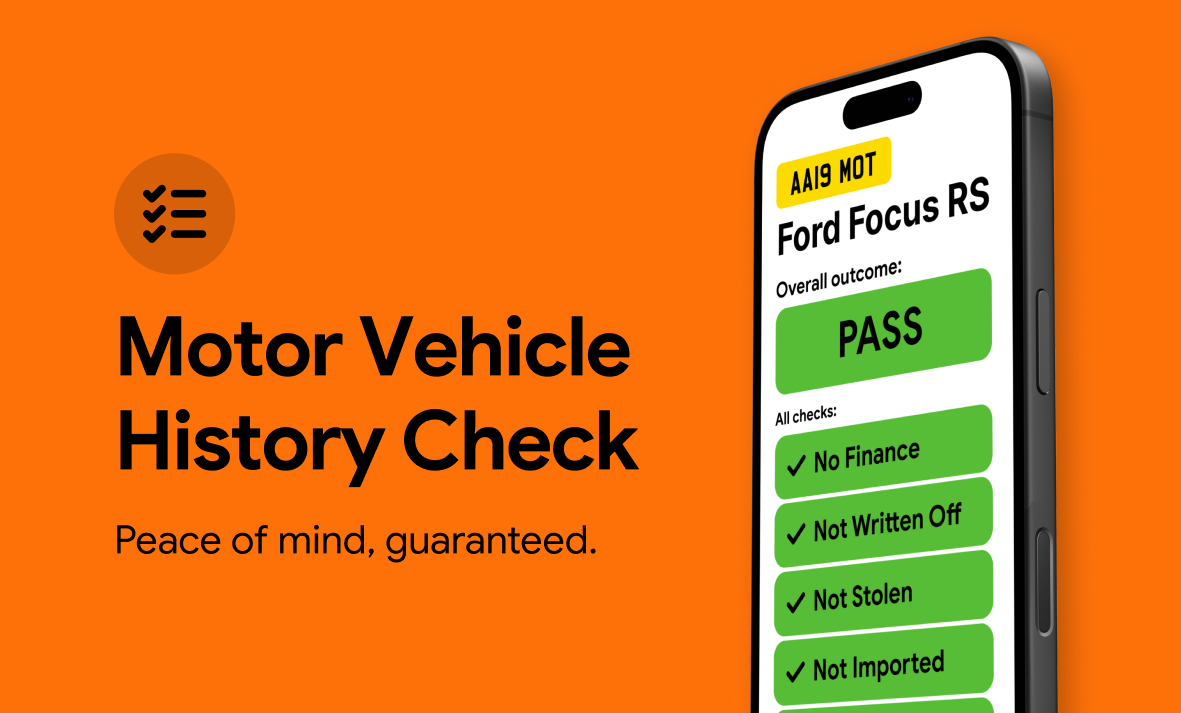
A car history check can uncover crucial red flags, including:
- Whether the car was stolen
- If it has outstanding finance
- If it’s been written off by insurers
- If the mileage has been clocked or altered
- If the car’s had a plate change (which can hide past issues)
These are all things that could come back to bite you after you’ve paid. Running a simple check before you commit could save you thousands—and a whole lot of stress.
2. Taking the Seller’s Word at Face Value
It’s great to trust people, but car buying isn’t the place for blind faith. No matter how friendly the seller seems or how convincing their story is, always verify the facts for yourself.
Don’t rely on vague answers like “it’s never let me down” or “it just passed the MOT.” Ask for documentation—service history, receipts, MOT certificates—and check them yourself.
If the seller refuses to show paperwork or gets defensive when you ask questions, it’s a red flag. A legitimate seller will have nothing to hide.
3. Not Doing a Vehicle History Check Before Viewing
Many buyers wait until after they’ve viewed the car (or even after putting down a deposit) to run checks. That’s too late.
Do your vehicle history check before you even leave the house. It takes minutes and can save you a wasted trip—especially if the check reveals the car:
- Was previously written off
- Has a mileage discrepancy
- Is currently under finance
- Has been imported or scrapped
Think of it as a filter—if the car passes the check, it’s worth viewing. If not, move on.
4. Ignoring the VIN or Not Running a VIN Check
The Vehicle Identification Number (VIN) is the car’s fingerprint. Every vehicle has a unique 17-digit VIN, and checking it helps you confirm the car’s identity.
You’ll find the VIN:
- On the bottom of the windscreen
- On the driver-side door frame
- Under the bonnet
- In the V5C logbook or service book
A VIN check is especially useful if:
- The reg number is hidden in the listing
- You’re buying an import or auction vehicle
- You want to double-check the car’s identity and avoid a clone
VIN checks can show the full car history, just like a standard check, but they work even without the number plate. If anything doesn’t match up—walk away.
5. Overlooking the MOT History
A valid MOT certificate might look good on paper, but it doesn’t tell the full story.
You should always check the full MOT history to see:
- If the car has failed regularly in the past
- Whether the same advisories show up year after year
- Any unusual jumps in mileage
- If the current MOT was a first-time pass or a retest
These details can reveal how well the car’s been maintained—or whether it’s been neglected.
It only takes a moment to run a free MOT check, and it’s one of the easiest ways to spot hidden issues before they turn into costly repairs.
6. Rushing the Test Drive (Or Skipping It Entirely)
Some buyers don’t test drive the car at all—which is like buying shoes without trying them on.
Others only drive around the block, which won’t give you the full picture. Instead, ask to drive on a mix of roads: around town, on a dual carriageway, and over speed bumps.
During your test drive, pay attention to:
- How the engine starts (should be smooth and quiet)
- Clutch and gear changes (shouldn’t crunch or stick)
- Brake response (shouldn’t squeal or feel spongy)
- Steering and handling (no pulling or vibration)
- Warning lights (should all switch off after ignition)
If anything feels off, don’t ignore it.
7. Letting FOMO Cloud Your Judgement
Finally, don’t fall into the “I have to buy this now or I’ll lose it” trap. Sellers may say “I’ve got other people interested,” but never let pressure force you into rushing a big decision.
Take your time. Run your checks. View other cars. If it’s the right car for you, it’ll still be the right car tomorrow.
And if someone else does buy it? There’s another great deal around the corner—you just need to shop smart.
Final Thoughts: Buy Smart, Not Fast
Buying a second-hand car should feel exciting—not stressful. And with a few smart steps, you can avoid all the usual buyer traps.
Here’s a quick recap:
✅ Run a full car history check before anything else
✅ Use a VIN check if the reg plate isn’t available
✅ Don’t skip the vehicle history check or wait until it’s too late
✅ Double-check the MOT history
✅ Take your time and don’t rush the test drive
Thanks to tools like Car Owl, you can protect yourself from expensive mistakes, spot hidden red flags, and buy your next car with real confidence.